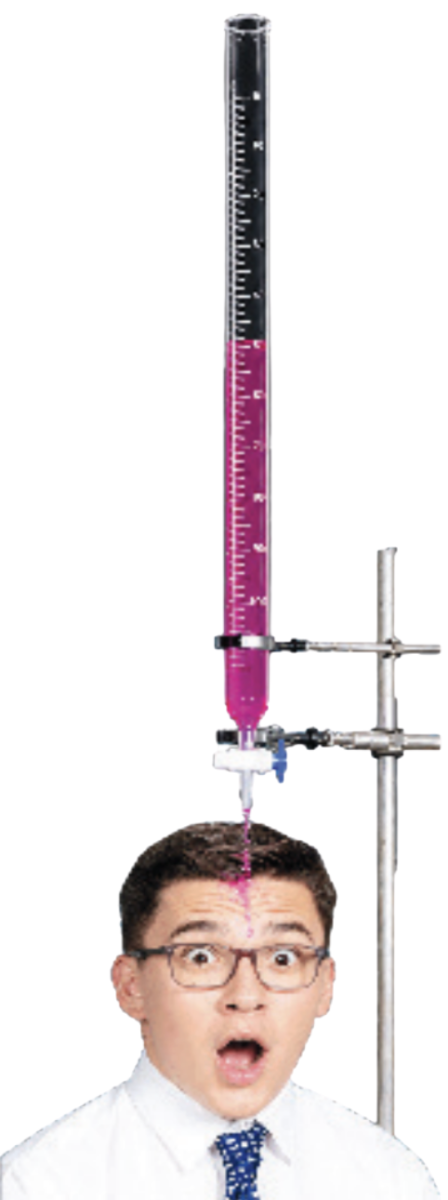





In times of trouble, sometimes the simplest solutions appear to work best, and this phenomenon is no different when it comes to Loyola’s ongoing concerns surrounding academic integrity. In a time filled with confusion, controversy, and AI-related scandals, an unlikely savior from Ancient Mesopotamia has emerged: the abacus.
Utilizing its revolutionary system of movable beads divided into sections, the abacus is reportedly capable of calculating numbers into the thousands in as little as twenty-five minutes. Loyola has already generated significant attention for introducing the trailblazing anti-cheating technology, with reports across the nation suggesting it could mark the beginning of a larger educational movement.
Administrators at Loyola have continued to defend the decision despite criticism from students and parents alike, insisting that the simplicity of the device is precisely what makes it effective. School officials have repeatedly emphasized that the lack of internet access, batteries, or digital components makes the abacus nearly impossible to exploit during exams.
Demonstrations have quickly become the centerpiece of recent faculty meetings, where teachers gather to observe presentations on proper bead movement techniques and methods for preventing students from attempting to “speedrun” calculations during tests.
According to staff members, the administration hopes the policy will encourage students to slow down and place greater emphasis on the educational process itself rather than simply arriving at answers as quickly as possible.
Student and faculty reactions, however, have remained mixed.
One new transfer student, who arrived sporting a large mustache and oversized glasses, expressed frustration with the policy, stating, “It’s absurdly low-tech. How the hell am I supposed to hack this thing?”
Conversely, math teacher Ms. Dito suggested the devices may have practical educational value. During an interview, she quietly stated, “Dear God, it never ends. It never ends. It never ends.”
The interview was promptly cut short after she repeatedly slammed her head into her desk before eventually passing out.
Across campus, students continue debating whether the implementation of abacuses will genuinely improve academic honesty or simply make assignments take significantly longer to complete. Some have questioned how the devices will be distributed during testing periods, while others have expressed concern about whether incoming freshmen will require additional training sessions before being allowed to use them in class.
Faculty members involved in planning the rollout have reportedly spent weeks coordinating logistics surrounding storage, maintenance, and classroom demonstrations ahead of the policy’s official arrival.
The new policy is expected to take effect at the beginning of the Fall semester next school year, though its introduction has already sparked additional debates regarding the future of technology in the classroom.
The English department has reportedly begun discussions about reintroducing ink, quill, and parchment for essay writing amidst growing AI concerns, while the Science department has considered returning to mercury thermometers in an effort to remove themselves from technological dependence entirely.
Administrators have remained open to further proposals as department heads continue discussions regarding the future of classroom technology at Loyola.