



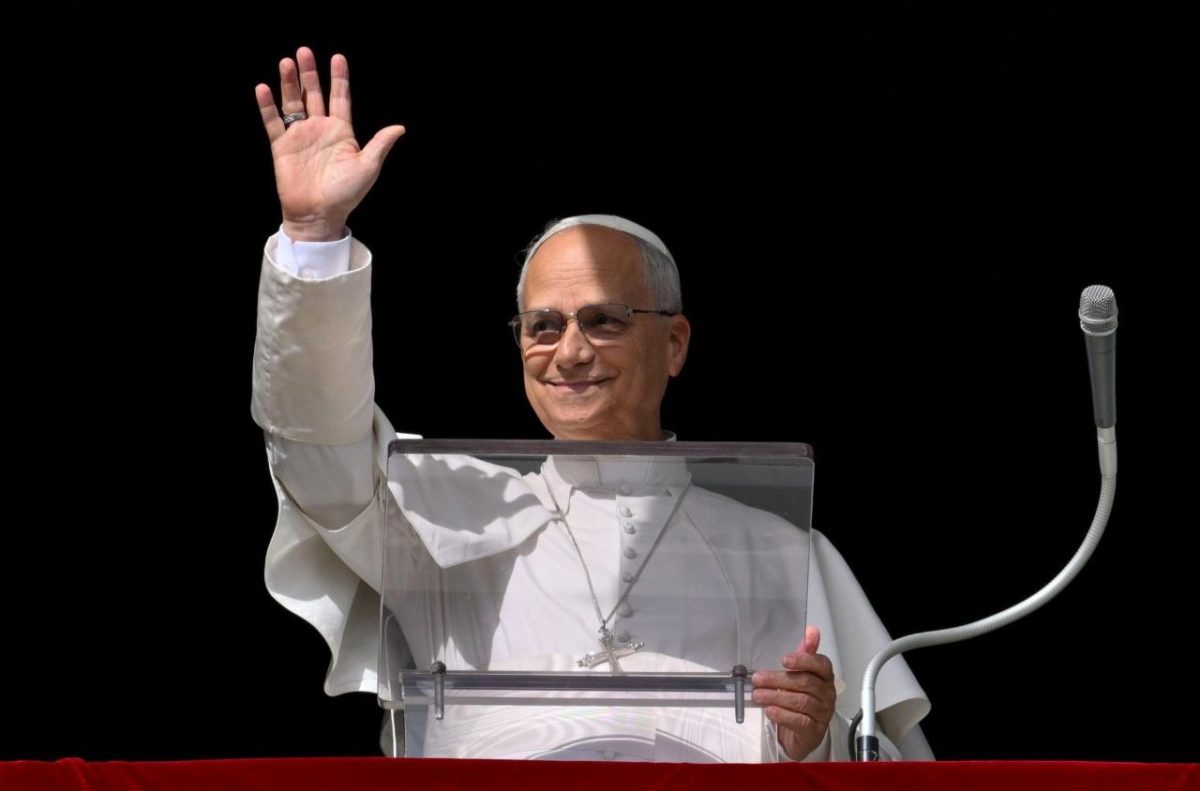
During Pope Leo XIV’s Angelus Address nearly a year ago, Leo stated, “Let diplomacy silence weapons. Let nations shape their future with works of peace, not with violence and bloody conflicts.”
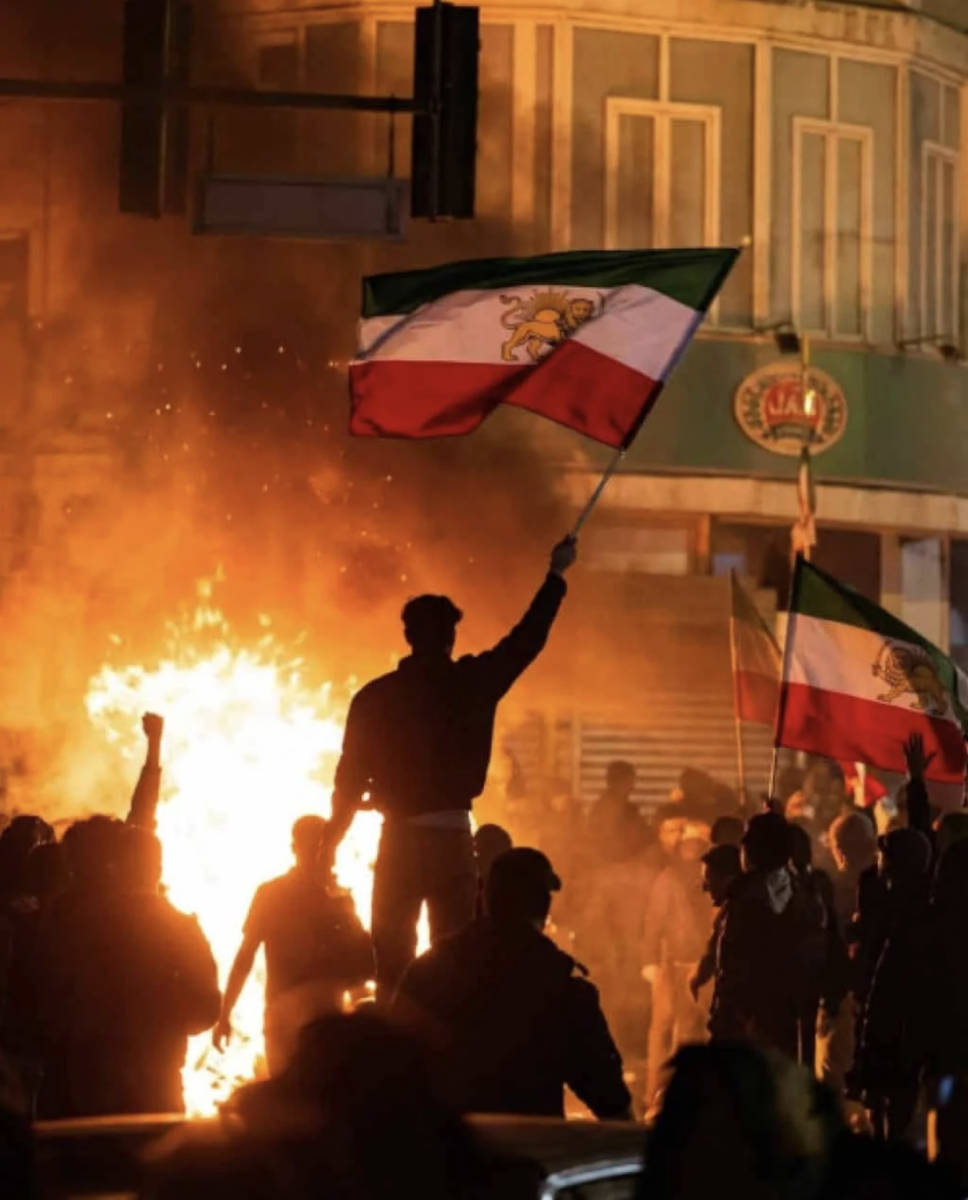
Today, as the war in Iran continues and America actively engages in its Operation Epic Fury, tensions between President Donald Trump and Pope Leo XIV have continued to surge. In early April, President Trump criticized the Vatican’s position against the war and the violence it has caused, a stance the Church has long upheld.
The same month, President Trump stated in a remark responding to Pope Leo’s criticism, “We believe strongly in law and order, and he seemed to have a problem with that, so there is nothing to apologize for. He is wrong,” adding “He is a man that does not think that we should be going with a country that wants a nuclear weapon so they can blow up the world.”
To whom Pope Leo XIV responded, “I have no fear, neither of the Trump administration, nor speaking out loudly about the message of the Gospel. And that’s what I believe I am called to do.”
It is extremely important to make clear that the Catholic Church neither aligns with American Democrats nor Republicans, but rather aligns with the Gospel and the teachings of Jesus Christ. With that, it is the Vatican and Pope Leo’s responsibility to speak out about what it deems injustices and issues that directly challenge the Gospel view.
In the context of war, the Church has made a very clear stance against it, and as Loyola’s own Theology Department describes, “Love your enemy, pray for the losing person, that kind of thing. That has political implications, especially for leaders who want to engage in violence as a political policy or whatever else. But it doesn’t mean that he’s getting out of his lane, so to speak.”
The department continues to emphasize this, explaining, “The Catholic Church is catholic (meaning ‘universal’). Its ‘flock’ includes every nation, including Iran, the U.S., and everywhere else. The Church is bound to view humanity as a single global family. Therefore, when a state’s policies conflict with global solidarity or the protection of vulnerable populations around the world, the Church’s universal mission will almost always challenge that state’s political priorities of self-preservation.”
In the US, this division between President Trump and the Vatican has caused a fair amount of confusion and difficulty for American Catholics who feel torn between their patriotism and support of the actions and statements of the U.S. president, and loyalty to the Vatican’s teachings on Global Peace and rejection of Violence. This is also heavily seen here at Loyola amongst our diverse student body, which varies in ideologies and political perspectives.
With that, Loyola’s Theology Department highlights this issue as an invitation for deep discernment, “We all must keep in the forefront of our discernment that loyalty to God and moral truth takes precedence over loyalty to the State. If we’ve done our job well as educators, Loyola students should be equipped with the Ignatian concept of Magis (the more) and AMDG (Ad Maiorem Dei Gloriam – For the greater glory of God). They should look past partisan rhetoric and ask: “Which stance promotes greater justice, protects the vulnerable, and fosters peace?” Catholic Moral Teaching allows for a “both/and” approach.”
The United States will never have a perfect President or elected official, but we will always have a God who has blessed us with free thought and will. Using the guidance of our Lord, we must not choose sides but seek justice, peace, and the Greater Glory of God in all things and in individuals. Loyola’s theology department encourages these difficult conversations and conflicts to be approached not with division or hostility, but with discernment rooted in the Gospel and the Dignity of every Human Being.