

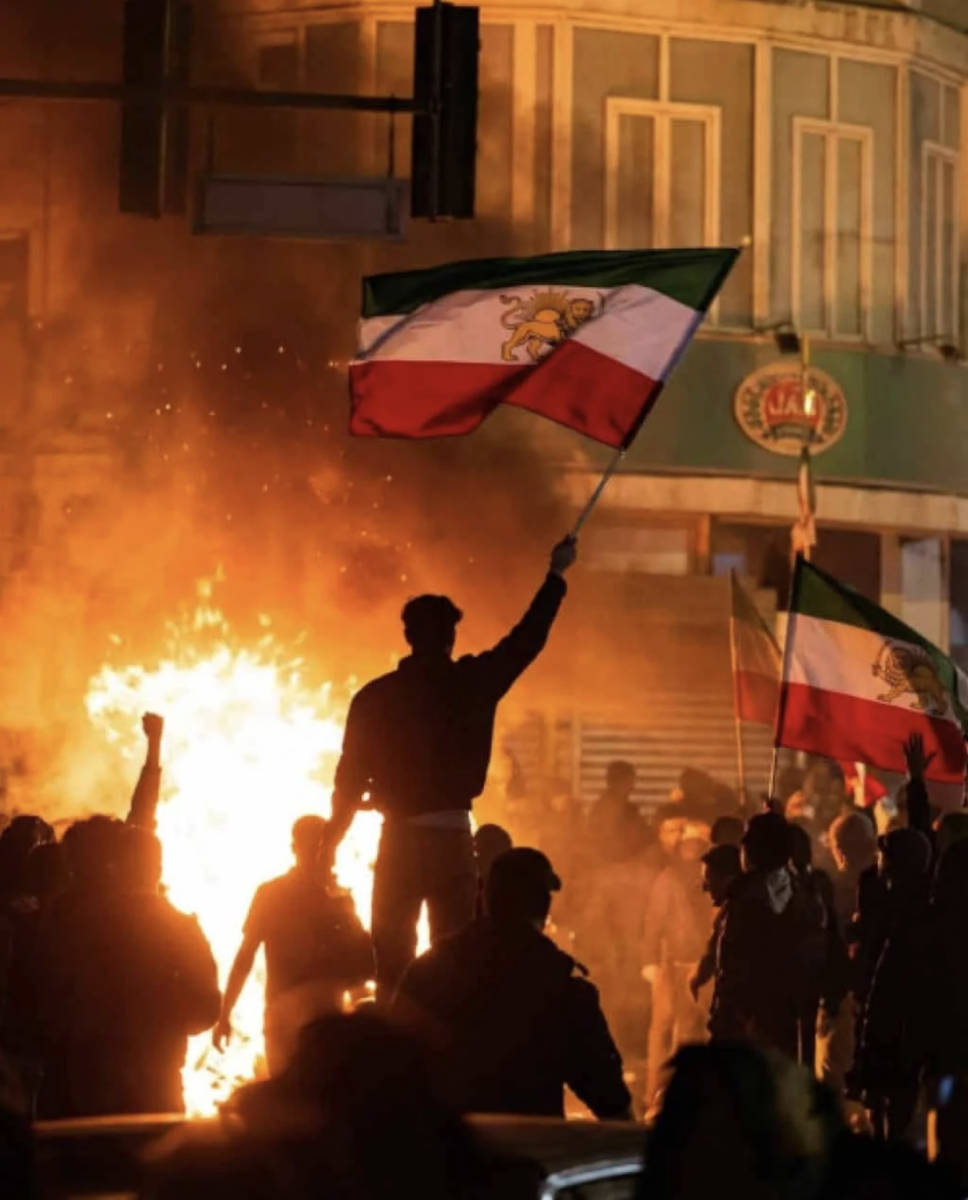


Since 1948, the United States’ Middle Eastern doctrine has been clear: the U.S. stands with Israel. Amid the ongoing Israel-Palestine conflict, however, this longstanding support is now facing unprecedented scrutiny from the American public.
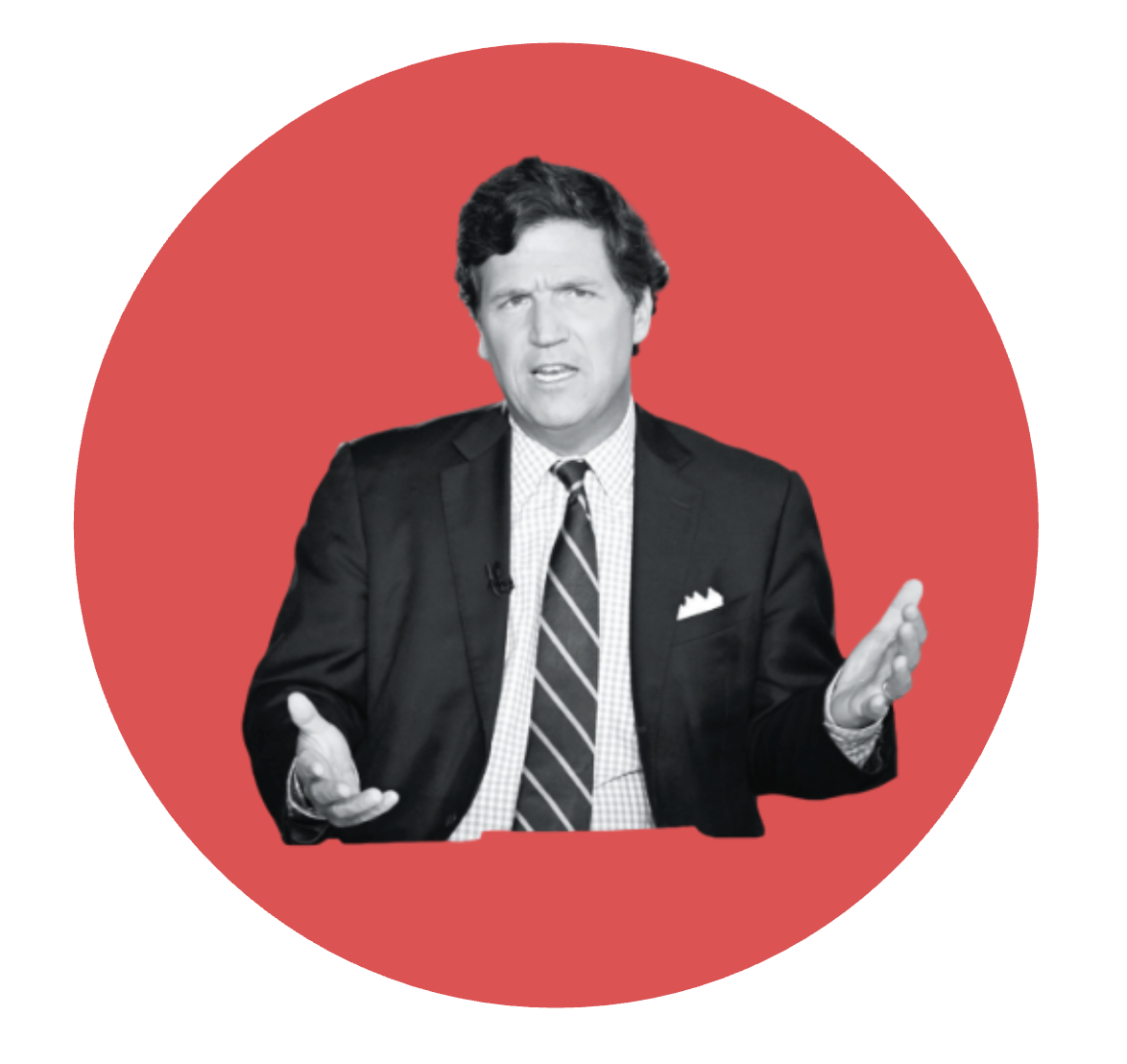
As President Donald Trump began his second term, media personality Tucker Carlson initially aligned himself closely with Trump’s “America First” rhetoric. However, Carlson’s stance shifted dramatically following the outbreak of war with Iran. His break with Trump over continued support for Israel highlights a growing schism within the political right, pulling a significant portion of the conservative base with him.
To understand the divide, some background information is necessary. During the 2024 election, Trump campaigned heavily on the slogan “America First,” earning support from nearly all major conservative influencers, including Carlson. At the beginning of Trump’s second term, Carlson and many conservatives continued praising Trump as he implemented tariffs and stricter border policies, viewing them as examples of America First ideals.
However, divisions within conservative circles soon deepened. Disagreements emerged over whether unwavering support for Israel truly served American interests. Carlson, representing a newer faction of conservatives, began arguing that continued support for Israel no longer aligned with America First principles.
The aftermath of Charlie Kirk’s death intensified this divide, fueling conspiracy theories and increasing infighting among conservative media figures. Yet the turning point for many conservatives was the outbreak of war with Iran. Following the escalation of the conflict, many individuals who had previously supported Trump began distancing themselves from him politically. Carlson officially separated himself from Trump’s branch of the conservative movement.
This shared belief that the United States should avoid war with Iran has also created unusual political overlap between some conservatives and liberals. Many Americans opposed to military involvement in Iran have found common ground with Carlson’s rhetoric.
Charles Harvey ’27 prefaced our conversation by explaining that he does not closely follow politics and had never previously heard of Tucker Carlson. Harvey stated, “I think that we should not be at war with Iran.”
Another issue increasingly uniting people across the political spectrum is criticism of American support for Israel. More specifically, many Americans on both sides of the aisle oppose continued U.S. financial aid to Israel.
A recent Pew Research report found that 60% of American adults now hold an unfavorable view of Israel. Because of this shift in public opinion, many politicians are campaigning on platforms centered around reducing Israeli influence in American politics. Online, it has become increasingly common for voters to judge politicians based on whether they have accepted money from pro-Israel lobbying groups.
One major example of this ideological divide can be seen in Florida’s gubernatorial race. Byron Donalds has remained a strong supporter of Trump, while businessman James Fishback has increasingly distanced himself from Trump’s movement. Fishback is often viewed as an example of the emerging “New Right.”
Still, some remain skeptical that Carlson will continue supporting the movement long term. Luke Bradey ’26 remarked, “I have noticed that his opinions seem to shift very radically. One second he might love someone and the next he will hate them. It is hard to gauge what he really believes because he often changes his opinions.”
If Carlson once again shifts his political stance, many of his followers may do the same. Only time will tell how the New Right continues to evolve and shape American politics.