



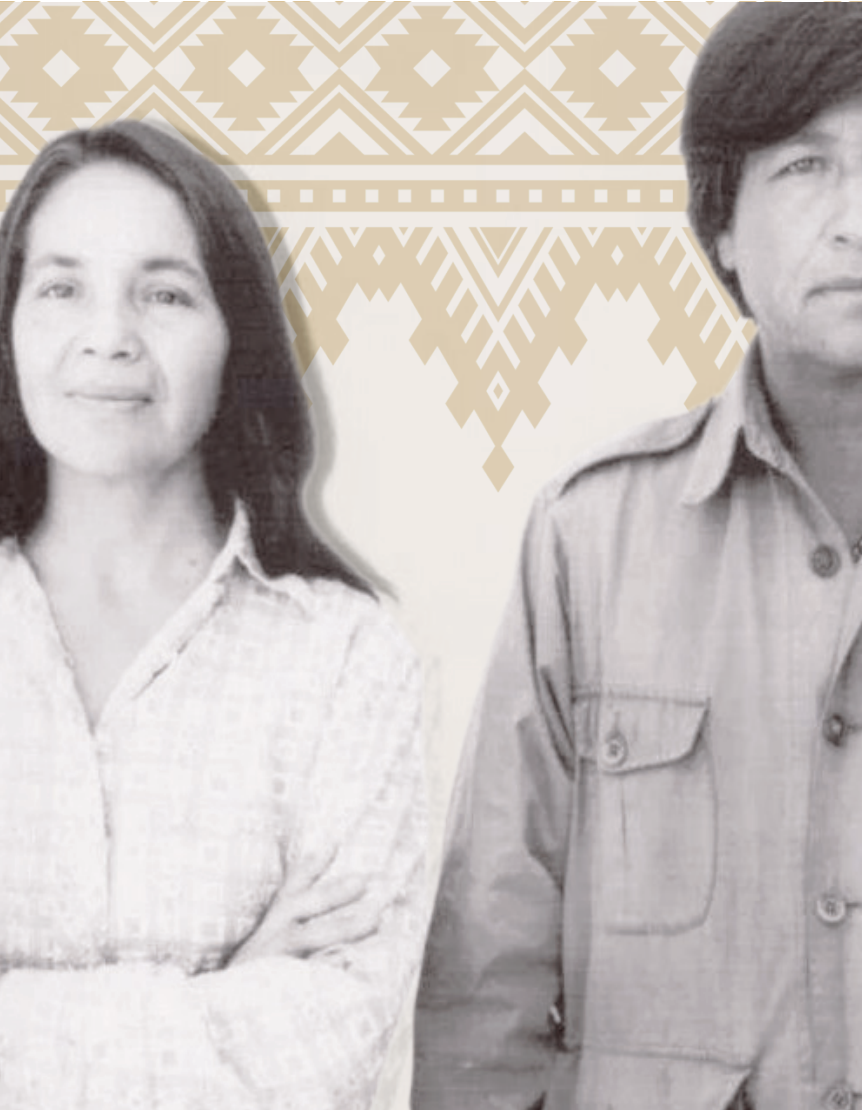
For decades, the United Farm Workers (UFW) has been synonymous with the name of one man: César Chávez. However, Latino and Hispanic communities are beginning to face newly surfaced information surrounding his past as the traditional historical narrative begins to shift. These revelations involve allegations of sexual assault against UFW co-founder Dolores Huerta, as well as the grooming and abuse of several women. The discoveries have prompted a sense of betrayal within the community, leading to the widespread removal of Chávez’s murals and statues from public spaces.
Many members of the community have stood in support of Huerta as these details come to light. The movement that was once synonymous with Chávez no longer stands by him as it once did; his status as a figurehead has been permanently challenged by these accusations. However, with this adapted view comes a difficult reckoning with a figure who was once a central icon.
Jacobo explained, “There are things going on in the community. I wouldn’t call it grief, but more shock. It’s kind of like this internal betrayal, to be honest.”
The previous focus on a singular male leader often led to contributions by prominent women within the UFW being obscured. The presence of a male figurehead may have created an environment that tolerated misogyny and overlooked violence. These dynamics may also have directly impacted Huerta’s ability to advocate within the movement.
Justin Jacobo ‘26 said, “If you’re undergoing that much stress, not only with the misogyny that society brings, but also internally with that conflict with César, you’re not going to go outside and be as active as you want to be.”
The loss of Chávez as a figurehead has opened the movement to a new flexibility. Jacobo argues, “It’s almost more beneficial to not have a face. We should build movements that don’t need to be replaced and can be sustained as a framework.”
Understanding the movement via its principles alone may allow younger generations to resonate more deeply with its cause.
Gabriela Gordillo-Banuelos, Director of the Center for Service & Justice, said, “I think it’s a movement for the people, not as much about the leaders. And we’re gonna continue to do the work.”
Ultimately, even as statues are removed and murals are repainted, the spirit of the United Farm Workers continues to grow. Despite the trauma associated with Chávez’s legacy, the movement’s shift away from a sole figurehead demonstrates that the pursuit of justice continues to champion the common good.
“I have never seen César Chávez as the sole creator of the movement, because we already know that Dolores Huerta, like Rosa Parks, were the movers and organizers. But because of the climate at the time, usually they put the man’s face in front of the movement, but I knew that Dolores was doing most, a lot of the organizing.
I know that in doing research about organizing, I know that most of the women do it. But because women are not taken seriously or they’re not seen as leaders, especially around those times. [Women] kind of do the work, but they let the men take all the credit.”
“[The community reaction] is very mixed. There’s a lot of messages from men that doubt that it happened. They’re all questioning, and they’re blaming her. ‘What were you doing? Were you the mistress and now you’re speaking up?’
A lot of the women, we do stand up for Dolores Huerta. We do believe that it happened. But the community is divided at the moment, especially between men and women. A lot of men are against her saying, ‘Why are you bring it up now after so many years?’ In a way they are blaming her for the situation.”
“When you look at [César Chávez], a historical figure for most Latino families, he’s kind of like the symbol of dignity and pioneer of labor rights for the people that look like us. So losing—quote unquote—losing someone like that, it’s not only about this statue or name, but it also has to do with a personal attachment.
My parents grew up during the era where he was active. There’s a lot of things that I’m personally attached to that farm worker’s movement represents. But it is complicated.
I think that for a lot of people, this is the point where they should channel all of their sentiment into elevating the movement, because it has been a while since the United Farm Workers has been at the forefront of civil rights. This is mostly because so much work has already been accomplished, but I feel like there is more work that has to be done.”