




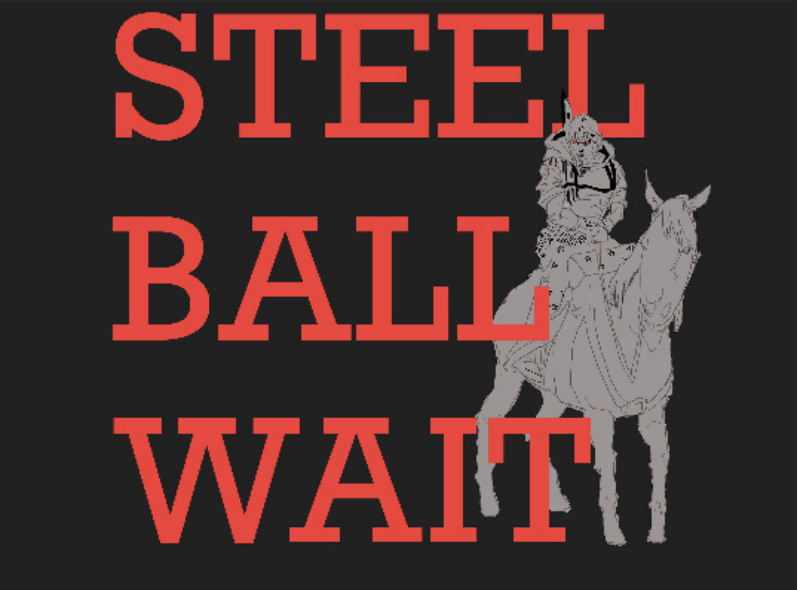
David Production has long been the gold standard for adapting ambitious projects, turning the flamboyant panels of Hirohiko Araki’s JoJo’s Bizarre Adventure into a global cultural phenomenon. With the long-awaited arrival of Steel Ball Run, the studio has once again pushed its own boundaries, trading the expansive cityscapes of Italy and Florida for the dusty vistas of the 1890s American West.
Yet, despite delivering a special 47-minute episode adapting roughly the first 11 chapters of the manga, the Great Race has hit a roadblock due to Netflix’s baffling distribution choices.
For such a long-awaited installation into the anime series, the weight of fans’ disappointment could not be ignored as memes of “Von Johnny” began to populate every single reel, post, and announcement about the release schedule. Although the JoJo’s fanbase still awaits their golden second episode, the premiere perfectly captured the emotional weight and powerful storytelling that have become cornerstones of Araki’s manga, balancing the gritty realism of a transcontinental horse race while hinting at the more wacky and supernatural elements unique to this bizarre adventure.
The direction emphasized a sprawling, epic scale that made the San Diego coastline feel alive and real, while the new art style fostered a perfect balance of Western influence and high-stakes racing strategy. However, the excitement and anticipation of JoJo’s seventh installation has been replaced by a growing sense of letdown from fans, as even the second episode’s release date is still unknown.
“With a few slight deviations from the original manga, the horse animation felt like a love letter to all of the fans who have waited a decade for this,” says Joel Villalta ‘27. “But Netflix is literally sabotaging their own hit! We were ready for the race to get underway and for the many unique character dynamics, such as the one between Johnny and Gyro, but instead, we’re stuck waiting while protesting for a regular release schedule.”
This isn’t the first time that Netflix has faced backlash for its handling of the franchise. The batch release model used for the sixth part, Stone Ocean, was widely blamed for killing the series’ social presence and hype. By failing to provide a consistent weekly schedule for Steel Ball Run, Netflix is essentially killing the “JoJo Fridays” that helped the series explode in popularity over the last decade.
The story as a whole is expertly paced in its original form, but this forced intermission prevents the narrative from having the same impact it needs to truly flesh out.
“I’ve been anticipating the Steel Ball Run production for years, and the premiere exceeded every expectation that I had for David Production,” notes Kyle Oh ‘27. “It perfectly captured the feelings that I experienced when I first opened the manga. But as a fan, it’s demoralizing. You have this incredible soundtrack and powerful animation but no platform to actually watch it on.”
Ultimately, fans of JoJo’s Bizarre Adventure remain divided between their praise for the art and its unique direction, along with their fury for a proper delivery and entrance into the most praised installation in the franchise’s history. For a part defined by a 3,700-mile race across the continent, Steel Ball Run currently feels like it’s stuck behind a broken red light, waiting for Netflix to finally let the horses run again; the anticipation only grows as each passing year without confirmation turns the eventual release into something fans treat less like a question and more like inevitability.
