

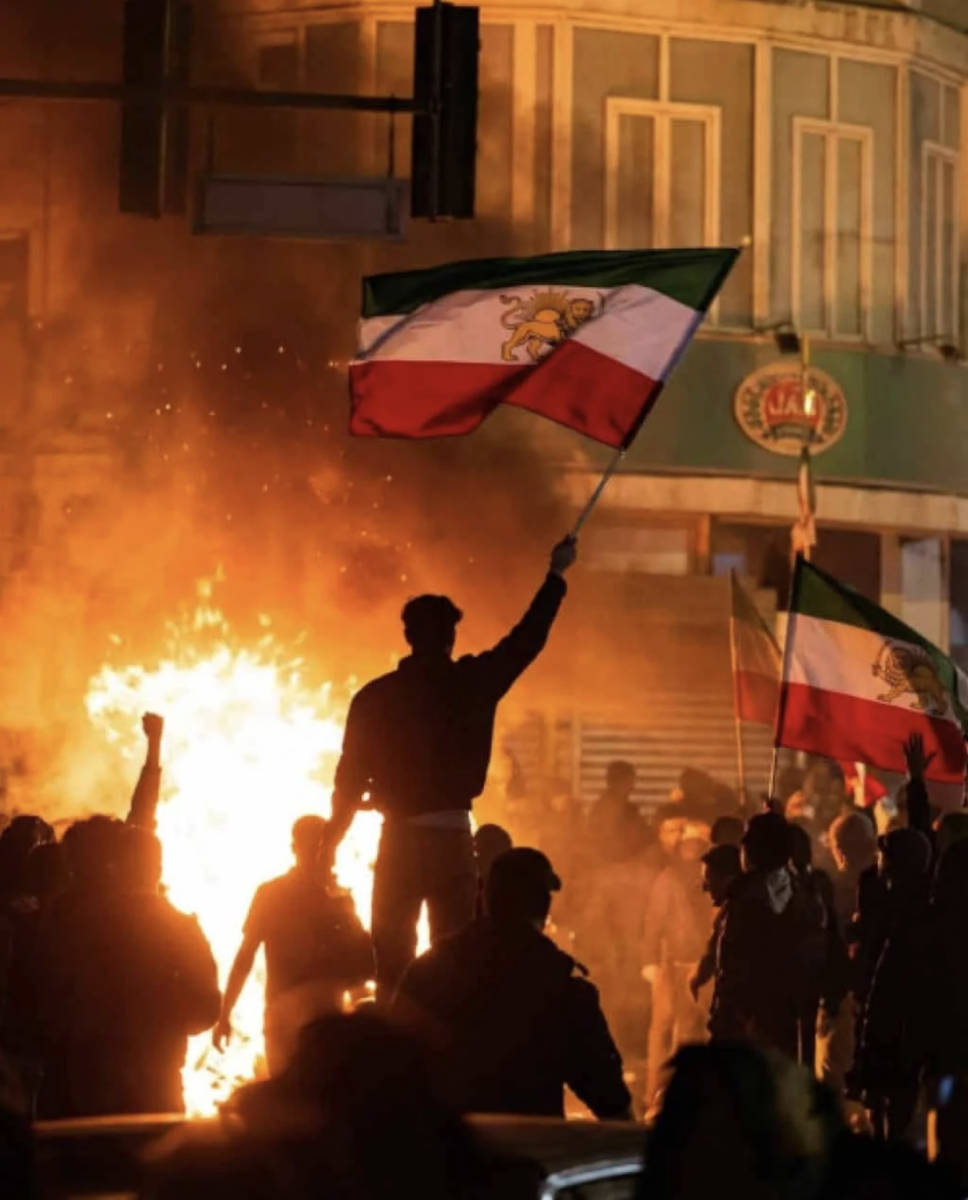


For most Loyola students, news about the U.S foreign policy toward Mexico, Iran and other countries abroad might be nothing more than another scary headline at the top of their Instagram page. For students with family ties to those affected countries, though, these stories can hit very differently. The foreign policy decisions coming out of Washington right now carry an intense weight when family is on the other side of them.
In February 2025, the Trump administration designated six major Mexican cartels as foreign terrorist organizations, a move that significantly expanded the legal justification for U.S. military involvement inside Mexico. Shortly after, a U.S.-backed intelligence operation supported a Mexican military raid that killed Nemesio “El Mencho” Oseguera Cervantes, the leader of the Jalisco New Generation Cartel. It was framed as a major victory. Within days, at least 70 people died across multiple Mexican states as factions scrambled for control of the power vacuum. Its a common pattern in the war against terror: take out the leader and the body splinters into smaller communities, often leading to more violence than before.
That instability just south, combined with aggressive immigration enforcement at home, has created an overwhelming atmosphere that many Mexican-American families are feeling the weight of.
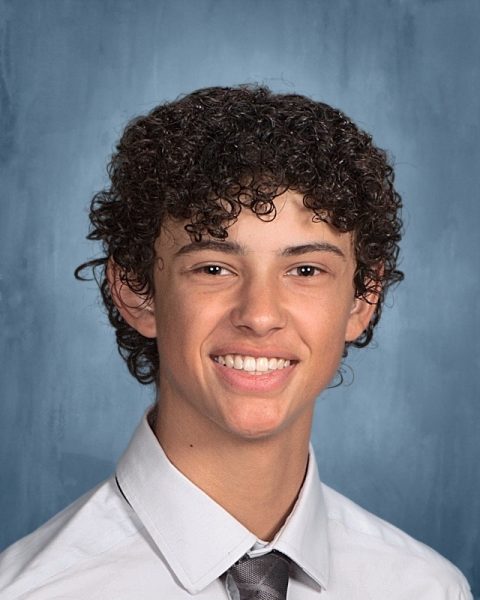
Anthony Velázquez ‘28 put it plainly: “I mean this situation has made me and my family scared. It saddens me and my family…all immigrants from Mexico…that this is happening in our country. The ICE raids especially have kept us on edge.”
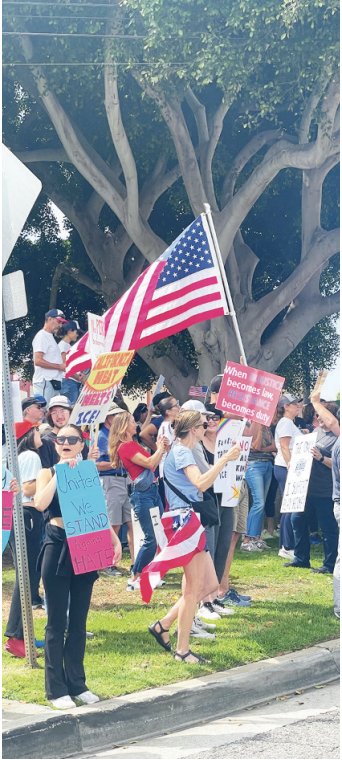
Velázquez isn’t just sitting with that fear and frustration, though. As Loyola students do, he will be taking action and travelling to Sacramento this April to advocate for immigration reform. Despite community-wide distress, many other Loyola students are organizing online pages and traveling to seek actionable change. Even on a conversational level, I’ve been witness to countless conversations and debates where Loyola students are not only demonstrating that they are able to educate themselves on the big issues our country faces, but that they are able to formulate and share their own opinions.
What I see from talking to students from various backgrounds, affected or simply interested, is a willingness to commune with one another on Loyola’s campus. It’s very easy to avoid conversations that affect each other’s families deeply because, of course, they carry emotional weight. However, Cubs have shown amazing emotional maturity and compassion by talking to each other about how these events are making them feel and see the world, and making tangible efforts to organize and create change.