





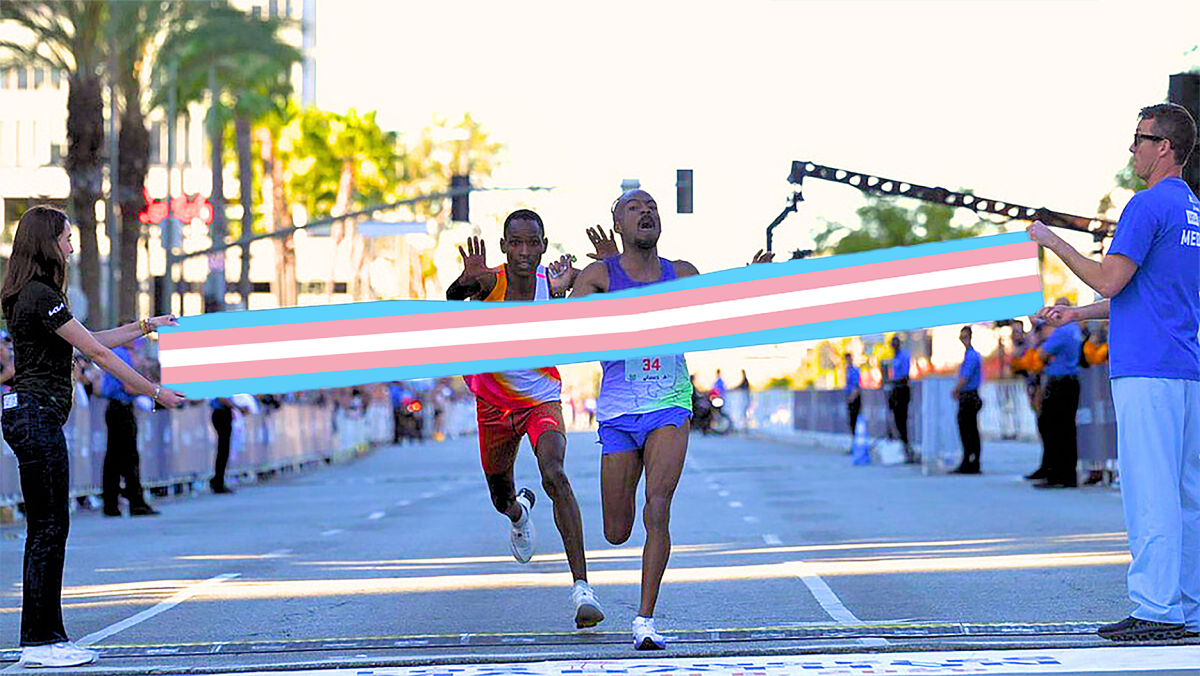
In 2026, the rift caused by the debate of transgender participation in sports reached a pinnacle influenced by scientific findings, legislative action and animosity from the public. Disagreements over what counts as fair and how much importance should be given to biological performance versus inclusion have become the center of this controversy.
When asked about the issue, Brighton Wegge ‘27 explained, “Fairness in sports should be based on current physical capability rather than biological history,” highlighting how Loyola students are grappling with how fairness should be defined.
This issue starts with the scientific data that offers a detailed but sometimes contradictory view of the situation. A 2026 analysis published in the British Journal of Sports Medicine has revealed and debunked many assumptions about trans women’s physical performance.
After one to three years of hormone therapy, transgender women were found to have strength and aerobic capability that converges with cisgender females. Despite these findings, the rift persists as there are aspects that can’t be changed when a person transitions. For example, skeletal structures and bone density gained during male puberty remain permanent.
This situation creates an issue where a transgender athlete may perform similarly to their cisgender athlete, but have a different biological build. It leaves sports associations arguing over which of these factors matters more.
The ambiguity has also fueled a legislative response shown in the 2025 “Keeping Men Out of Women’s Sports” Executive Order. This reinterprets Title IX that now defines sex something that is determined biologically at birth and threatens the federal funding of any schools with inclusive athletic policies.
Cases like Hecox v. Little and West Virginia v. B.P.J. arguments show that there is a majority likely to protect state-level transgender sports bans. This could potentially set a standard where biological sex outweighs evidence of biological transition.
As these debates carry on, there has been a rise in public animosity which has turned sports policy into a social debate. Polling data from 2025 and 2026 shows that nearly 70% of U.S. adults favor restricting sports to biological sex at birth. This sentiment has been driven by the need to protect the female category of sports from transwomen. The social impact of this debate is also felt on a personal level by many students and athletes.
When asked about the growing divide, Brighton Wegge ’27 said he felt “disappointed” by the hostility surrounding the issue. He explains that transgender people are already a small minority and often face significant hate despite wanting the opportunity to compete in sports.
However, this animosity has also led to a rise in gender policies where both transgender and cisgender women are being subjected to invasive sex verification tests. This debate has also created a mental health crisis, where 2026 reports linked it to a 72% spike in suicide attempts from transgender and non-binary youth.
This controversy remains unsolved as every party involved has different ethical ideas. For some, fairness is a biological category that must be protected to ensure integrity for cisgender women. For others, fairness is inclusivity that knows the implications that this has on a marginalized minority.
As the world looks at the 2028 Olympics, this rift shows that, unless society can mend this debate of how much value is placed on biological performance, the sports field will remain a cultural fracture.