



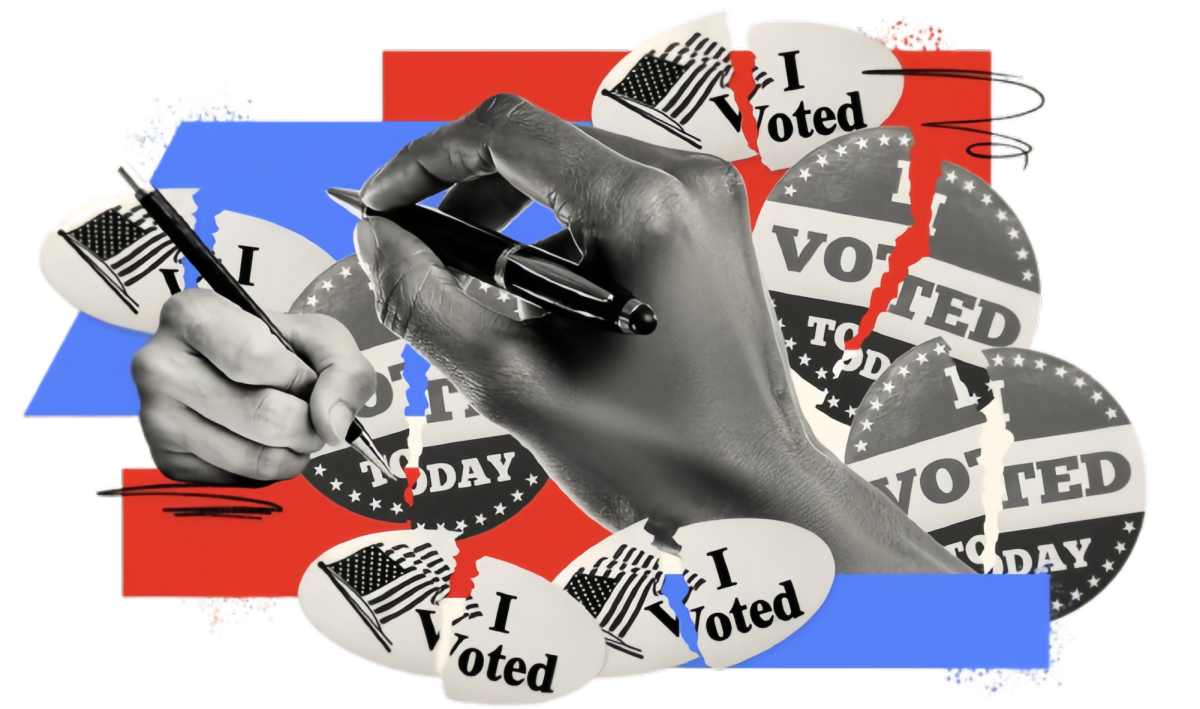
As the new year kicks off, the American public waits for one of the most consequential midterm cycles in history. With over 40,000 seats up for grabs across the country, November 3 is shaping up to be a defining moment for politics this year. However, the action is happening in the courtrooms where a surge in new US voting rights legislation is being passed months before the elections are held.
Just two weeks into 2026, the Supreme Court has already issued a ruling on voting legislation presented in Bost v. Illinois State Board of Elections. The Court ruled that candidates for office have an automatic right to sue over election rules, regardless of whether they can prove those rules will cause them to lose. This law invites candidates to challenge voting procedures months before Election Day that could potentially confuse voters.
In the pending case Watson v. Republican National Committee, the country is watching a challenge to Mississippi’s mail-in law that allows mail-in ballots to be counted after Election Day up to five days late. If the court rules against Mississippi, it could have a ripple effect, potentially devaluing thousands of voters in rural and Native American communities whose ballots are delayed by the postal service.
This trend toward election interference laws is also visible in other states. In Georgia and Texas, they have granted partisan state boards the ability to suspend or replace local election officials. In Georgia, the State Election Board may now intervene in county-level operations if it deems the administration unsatisfactory.
For students like Benito Arias 28’, these partisan shifts highlight a controversy between the judicial branch and state legislatures where, “when it comes to the protection of voting rights, I generally lean towards courts. If a state is controlled by one party, then it’ll often have a political incentive and drive to benefit themselves.”
Furthermore, this rise in partisan legislation is also affecting cure periods, the window of time that allows voters to fix errors on their ballots. While currently 33 states allow voters to correct these mistakes, partisan legislatures are increasingly shortening these deadlines. In a cycle where the Senate and House are expected to be decided by thin margins, the ability of a voter to fix a small mistake could determine the outcome.
Under the current presidential administration’s foreign policy, more states are moving to implement proof of citizenship requirements, modeled after Arizona standards. Federal attempts have also been made to seize voter data to help identify non-citizens, as seen in California in the US v. Weber, dismissed January 15. In this case, California was able to successfully block a federal DOJ attempt to seize unredacted voter data.
For the Loyola community, staying informed about the ever changing political landscape that’s happening around us is a vital step in protecting our right to vote and preparing ourselves as future voters. By researching and understanding all these new requirements and legislation, our community can ensure that every voice is heard and every vote counted on November 3, while also promoting informed participation and trust in the systems that uphold our elections.