



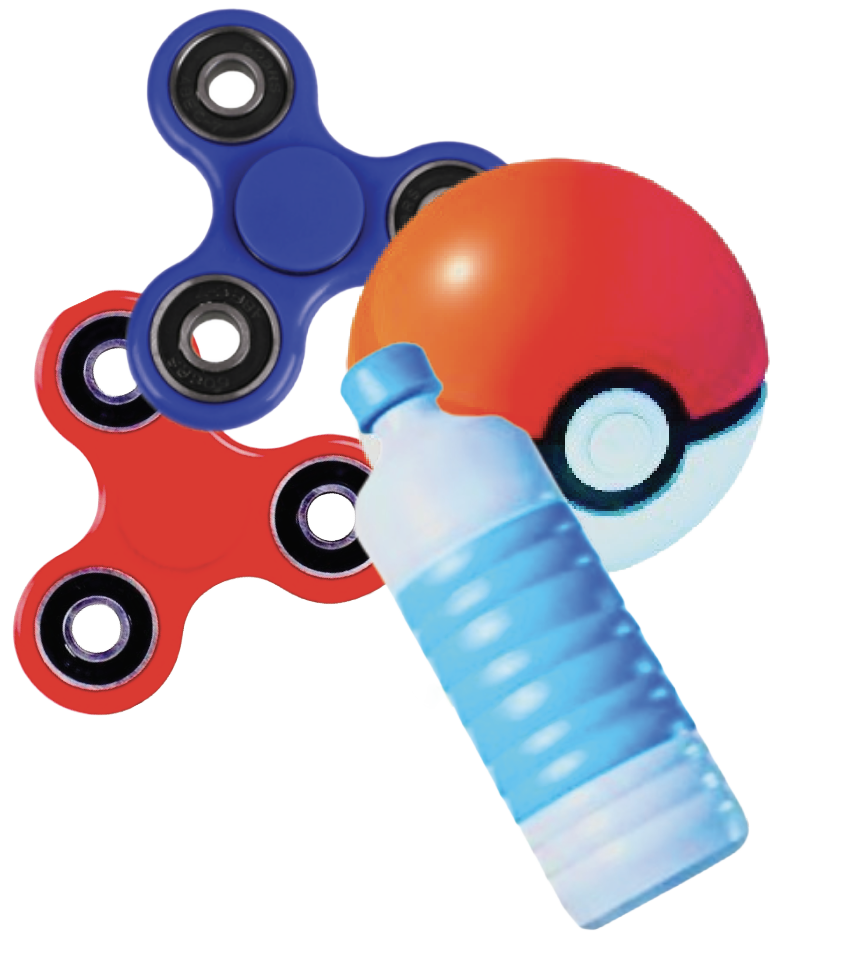
In recent years, a strange cultural feeling has been creeping back into everyday life: nostalgia for 2016. From fashion trends and music revivals to internet humor and social media aesthetics, it seems like society is collectively looking backward instead of forward. As 2026 approaches, many are asking the same question, is 2026 the new 2016?
Part of this resurgence can be explained by the comfort nostalgia provides. For many people, 2016 represents a time before global uncertainty intensified, before the pandemic, before political division became unavoidable and before constant digital overload. Revisiting the music, fashion and trends of that era allows people to momentarily escape the stress of the present.
Platforms like TikTok and Instagram have amplified this effect, reviving old songs, styles and viral moments and introducing them to a younger generation.
This sense of familiarity is not accidental; baggy jeans, throwback playlists and minimalist social media aesthetics mirror the trends that once dominated the mid-2010s.
What once felt outdated now feels comforting, even exciting, because it connects people to a shared cultural memory. 2026 isn’t literally 2016, but the similarities are real. Both periods feel politically tense, and we’re seeing another major internet shift with AI. Sacha Masraff ’27 said, “I think people lean into the comparison because nostalgia gives comfort during uncertain times.” Ultimately, the return of 2016 culture says more about the present than the past. Nostalgia thrives when people are searching for stability, identity, and meaning.
As 2026 approaches, It will be deciding whether we continue reliving old memories or use them to create something new, transforming nostalgia into a catalyst for growth.