




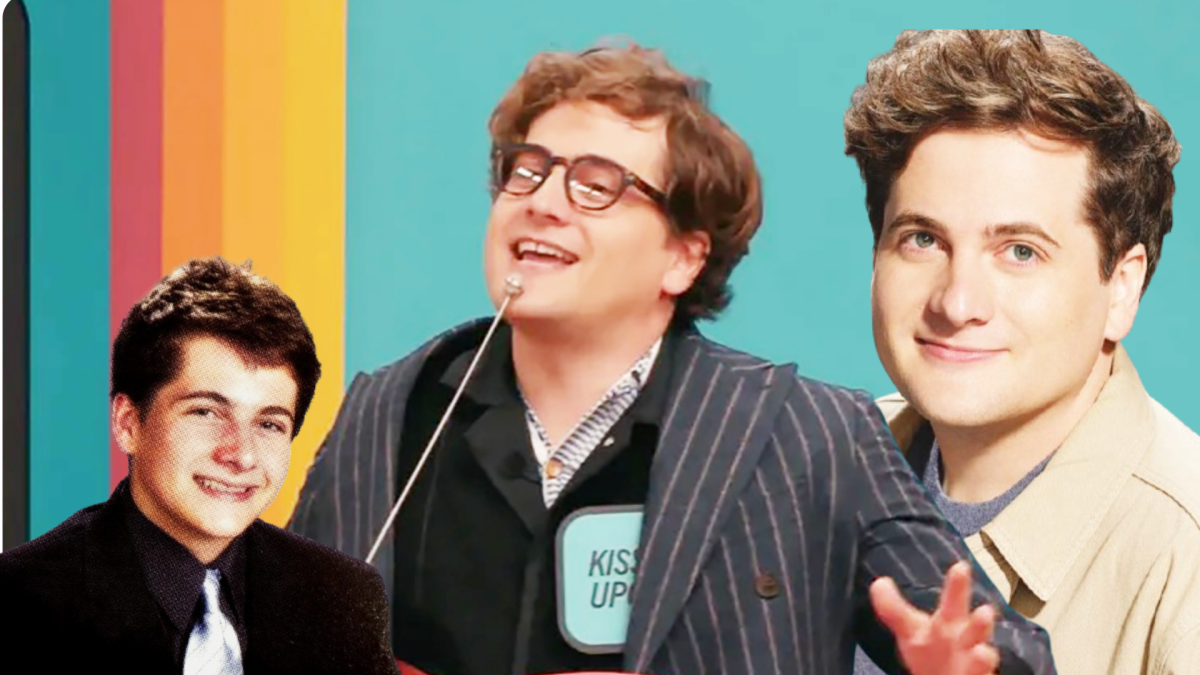
On Thursday, Feb. 5, the Loyalist staff joined a Zoom call with Loyola alum, Jemery Culhane ‘10. We were given the chance to ask him about his path into comedy, and what it is like working on one of television’s most iconic shows. Jeremy states how Loyola played a major role in shaping his independence and confidence. While the school has a structured environment, he believes it encourages students to pursue their own interests and commit fully to them.
“They didn’t care what you did,” Jeremy said. “They just wanted you to excel at it.” He talked about how the friendships he formed at Loyola remain some of the most meaningful relationships in his life.
Despite his initial successes, Jeremy said he never expected to reach this level when he was a student at Loyola. He joined improv and theater in his freshmen year because he wanted to have a way to express himself and liked being around creative people.
“I had no idea this would happen,” he said. “I did improv because I really loved it, and I did theater because it was fun and a way to express my creativity.” It was only later, after college, that he began to seriously consider comedy as a career. Looking back, Jeremy credits Loyola with giving him the freedom to explore those interests without pressure and develop confidence in his own voice.
Jeremy described his path to Saturday Night Live as long and demanding. He first submitted a taped audition featuring four different characters before being invited to perform in a live showcase at the Upright Citizens Brigade Theater. From there, he traveled to New York to audition alone on the SNL stage in front of producers.
“You’re given five minutes to express the comedian you are all in complete silence,” he said “While there is a full team of executives just sitting taking notes.” After meetings with producers and show creator Lorne Michaels, Jeremy waited weeks without hearing anything and assumed he had not gotten the job before finally receiving the call offering him a spot on the cast.
During his first year on the show, Jeremy said all his different sketches have helped him to express his range as more than just a standup comedian. Characters such as “Mr. On Blast” and a pinwheel sketch with Mikey Day stood out as moments where he felt he was truly being himself on screen.
“That was the first moment where I felt like I was actually being funny on the show,” Jeremy said. He also shared what life behind the scenes at SNL is really like, noting that the studio is much smaller than it appears on television and that production moves at a rapid pace.
“Everybody is sprinting around,” Jeremy said, “You’re changing costumes in under two minutes while weaving between cameras.” One of the most surreal parts of the job, Jeremy said, has been working alongside comedy legends. He remembers being especially starstruck during cold opens with Mike Myers and Tina Fey.
“These are people I grew up watching,” he said, “Now we’re sharing a stage.” Jeremy also spoke highly of the teachers who influenced him during his time at Loyola, particularly those in the theater and economics departments. He said his theater teacher, Mr. Wolfe treated students like real artists and helped him build confidence at a young age, while his economics teacher, Mr. Held inspired him to major in economics in college.
“He really cared about teaching and making the material understandable,” Jeremy said. When asked what advice he would give current Loyola students, Jeremy encouraged them to explore their interests without worrying about other people judging them.
“Try clubs, try things, make stuff,” he said “This is the age where you start figuring out what direction you want to go.” He also emphasized Loyola’s core value of being “men for others,” encouraging students to remain grounded and supportive of those around them. Looking ahead, Jeremy said he hopes to stay at Saturday Night Live for as long as possible and eventually create his own television show, hopefully acting alongside friends and fellow Loyola alumni. For Jeremy, the journey from Loyola Hall to SNL has been unexpected but meaningful, and he remains grateful for the experiences and people that helped him get there. He proves how doing something new can lead to something great.