
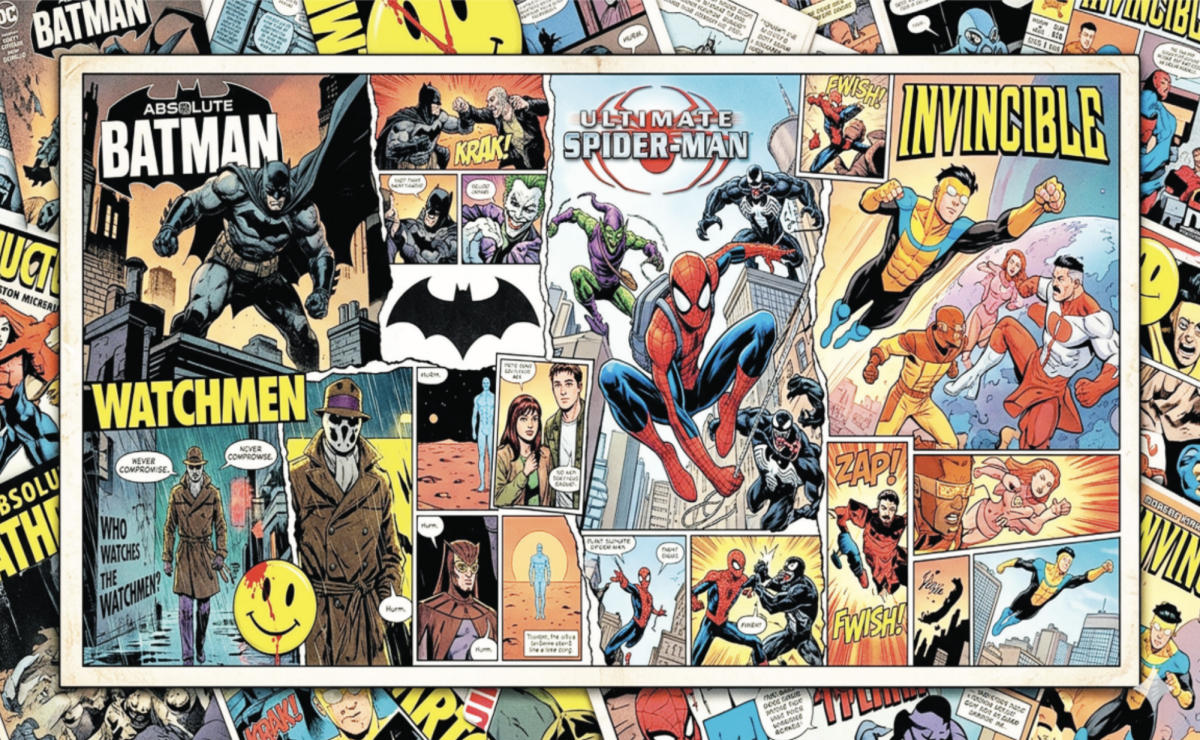


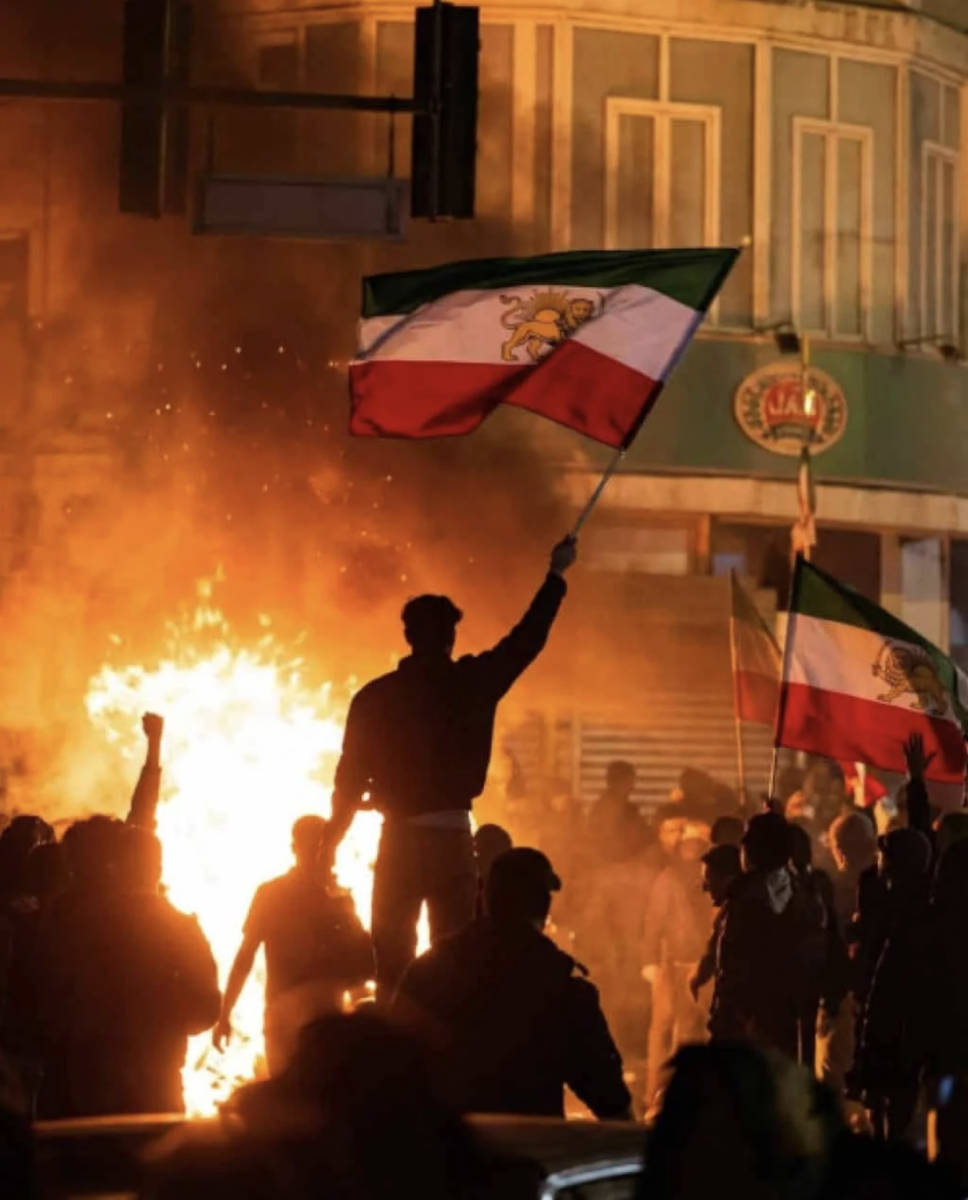


In the modern age, most young people online get their information through social media, even before checking a trustworthy news station. This becomes a problem when our sources of information aren’t reliable, and we have to address whether our unbiased news truly is unbiased. Does modern media favor the left or the right, or do they favor one at all? By design, social media allows for ideas to spread like never before. Ultimately, what we, as individuals, think is more popular is based on an algorithm tailored to our interests. If you watch cat videos, you will be given more cat videos; if you interact more with certain political beliefs, you will be fed more videos of those beliefs. That goes for any political orientation, and for a diverse school like Loyola, you have a range of opinions. To find which side of the political spectrum is generally more dominant, you would have to examine the change each wing has made as a result of their influence on social media, and if it transcends algorithmic bias.
Examining the current political state of the nation and the results of the last election, it becomes easy to point the finger and call the right more dominant in the media. Tom Corcoran ’28, when talking about institutional bias, shared, “There are some organizations that will always lean right, and will always have a right-wing take, and there are also left-leaning organizations that will always take the left-wing take. They do this to retain their core viewership, and to do so, they need to say things that their core viewership will agree with.” Fox News, for example, would always push right-wing ideals, as it is their core viewership’s political makeup. They’ve been around for longer than some of us have even been born, and they lack the political will to do much reorganizing. Across the aisle, Agustya Kardakar ’27 examines the rise of social media in the left-wing, explained, “You see people like Governor Newsom, and his push back to Trump. The rise of the media allows for a rise in people to be more involved and connected to the political decision-making of the country.”
Since algorithms often act as echo chambers that reinforce our beliefs, people’s views on which side dominates the media usually reflect their own politics. That’s why it’s important for us, as Loyola students, to fact-check both our assumptions and our sources. Misinformation and biased information will obscure our ability to inspire change and create justice, making it a necessity to push aside our media biases. To avoid echo-chambers and confirmation bias, we need to use a combination of fact and ideology to form an informed opinion, not just one or the other. As Joseph Palacios ’27, emphasized, “This is imperative to a Jesuit perspective, because the opinions that we form should be robust, justified and thought through. Not something we arrive at, after reading one source.”
Free speech is a given right to Americans but absent-mindedly accepting everything as true undermines the purpose of this right. A robust outlook on the media, even when looking through the lens of an ideology you don’t see eye-to-eye with all the time, is important when it comes to discourse of our lives and nation. Such discourse ensures our beliefs are founded in facts and ethical reasoning that is vital for the success of society, and uses media as a tool for information in a healthy way. There is no objective way to determine the media as being left or right; however, individual companies do have biases for demographic appeal to increase viewership, where bias is baked into every piece of news. Individuals must take responsibility for conducting their own independent research to escape the confines of ideological echo chambers and uncover balanced, evidence-based understandings of current events. This pursuit not only fosters sustainable and meaningful change but also establishes critical moments of reflection, stasis points, that enable people to identify and confront injustice at its roots.
