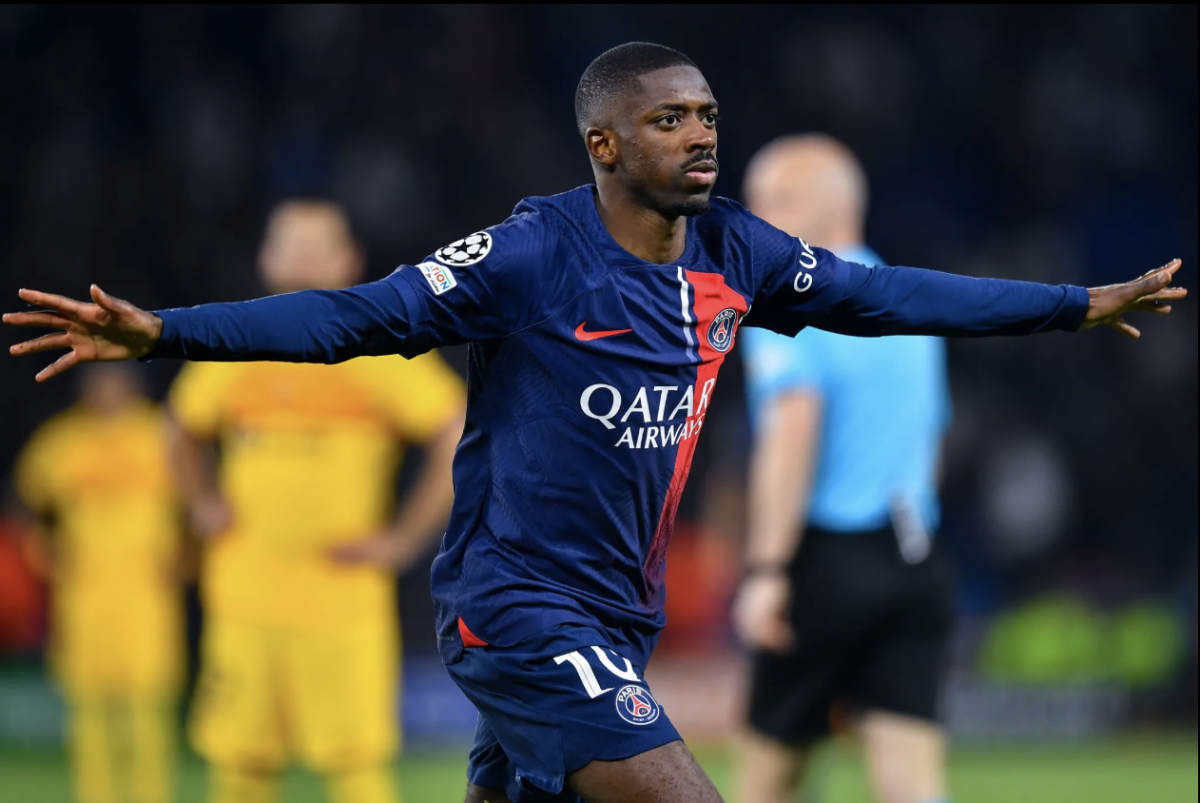




The Champions League, the pinnacle of club soccer, recently made drastic changes to its format. The format, initially consisting of 32 teams being drawn into eight groups of four, became a league phase with 36 teams, each playing four home and away games before qualifying for the round of 16.
This change, occurring at the start of the 2024-2025 campaign, sparked controversy as a format change hadn’t happened since the introduction of the round of 16 in 2003. Skeptics initially questioned the integrity of the change that increased the already full and strenuous schedule of the players. Still, they cannot argue that, from a spectator’s point of view, the change has been for the better.
Favorites and teams that dominate their respective leagues, like Liverpool and Barcelona, have already faced adversity this Champions League campaign, as the new format intended to do. Previously, Pot 1 teams would be grouped with one team from each of the other three pots, creating a lopsided group with only two real contenders. Now, Pot 1 teams face off against two of their fellow Pot 1 teams, generating a knockout stage feel in the group stage matches.
Put simply by Jaxon Hone ‘28, “Both teams can still make it to the knockout no matter what the result is.”
With this campaign, some people were concerned about how it would affect game drama. Specifically, people worried that the new format reduced the possibility of upsets and fairy tale games, which was ultimately proven wrong. For example, the Turkish side Galatasaray were hosts to Premier League champions Liverpool in a game where only one team was meant to run away with it. Liverpool, having shown no signs of slowing up to this point in the season, failed to score in a 1-0 game against Gala, making it a major upset.
Liverpool fan Quinn Pruitt ‘28 felt as though this win was a classic Champions League upset: “There is always the possibility of an upset because of Gala’s loyal and passionate supporters at home games.”
From crazy home stands and fairy tales to headline games between the best of Europe, the Champions League group stage has already displayed why its new format was the correct choice.